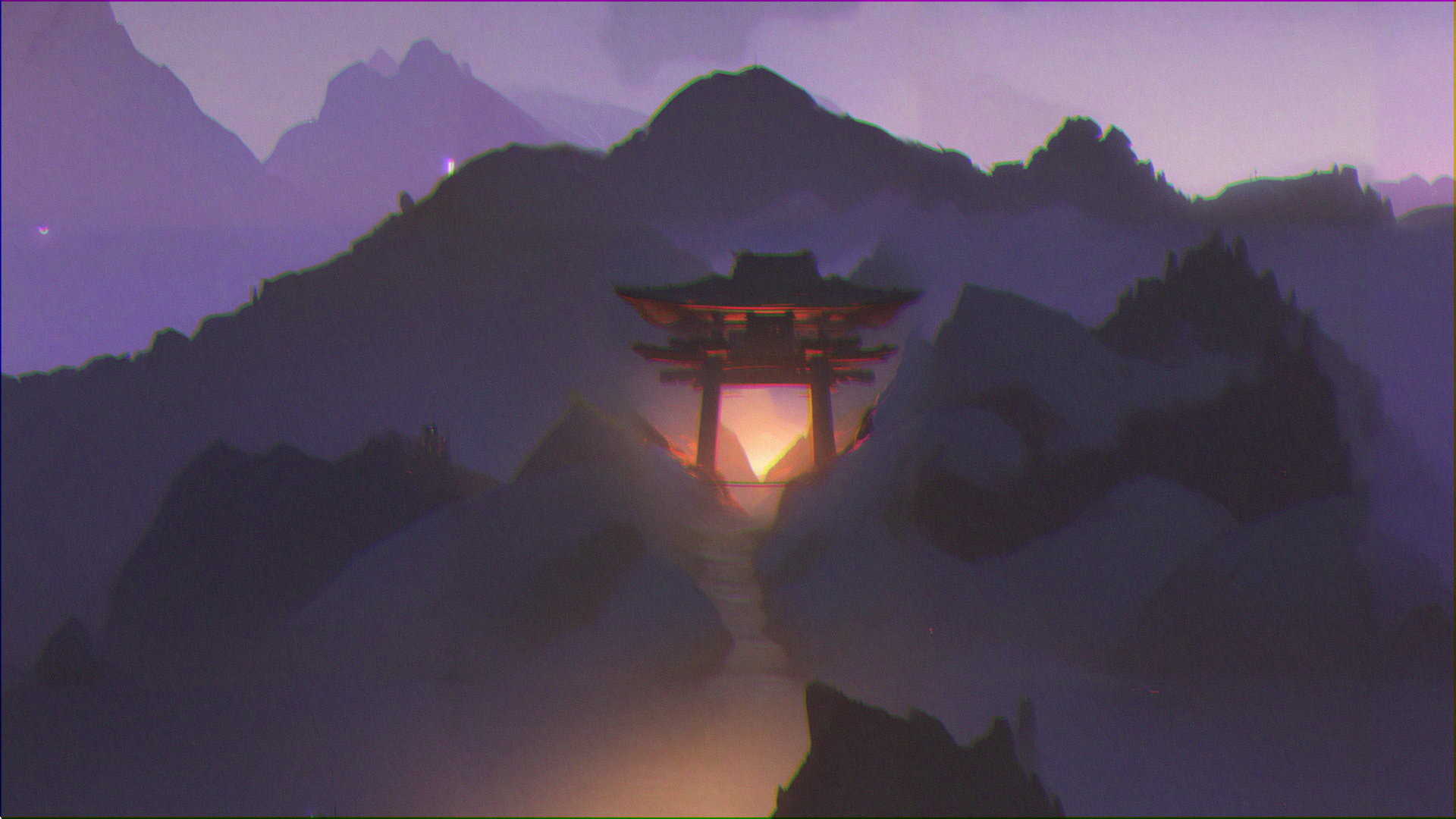



Dream On, Lights Off
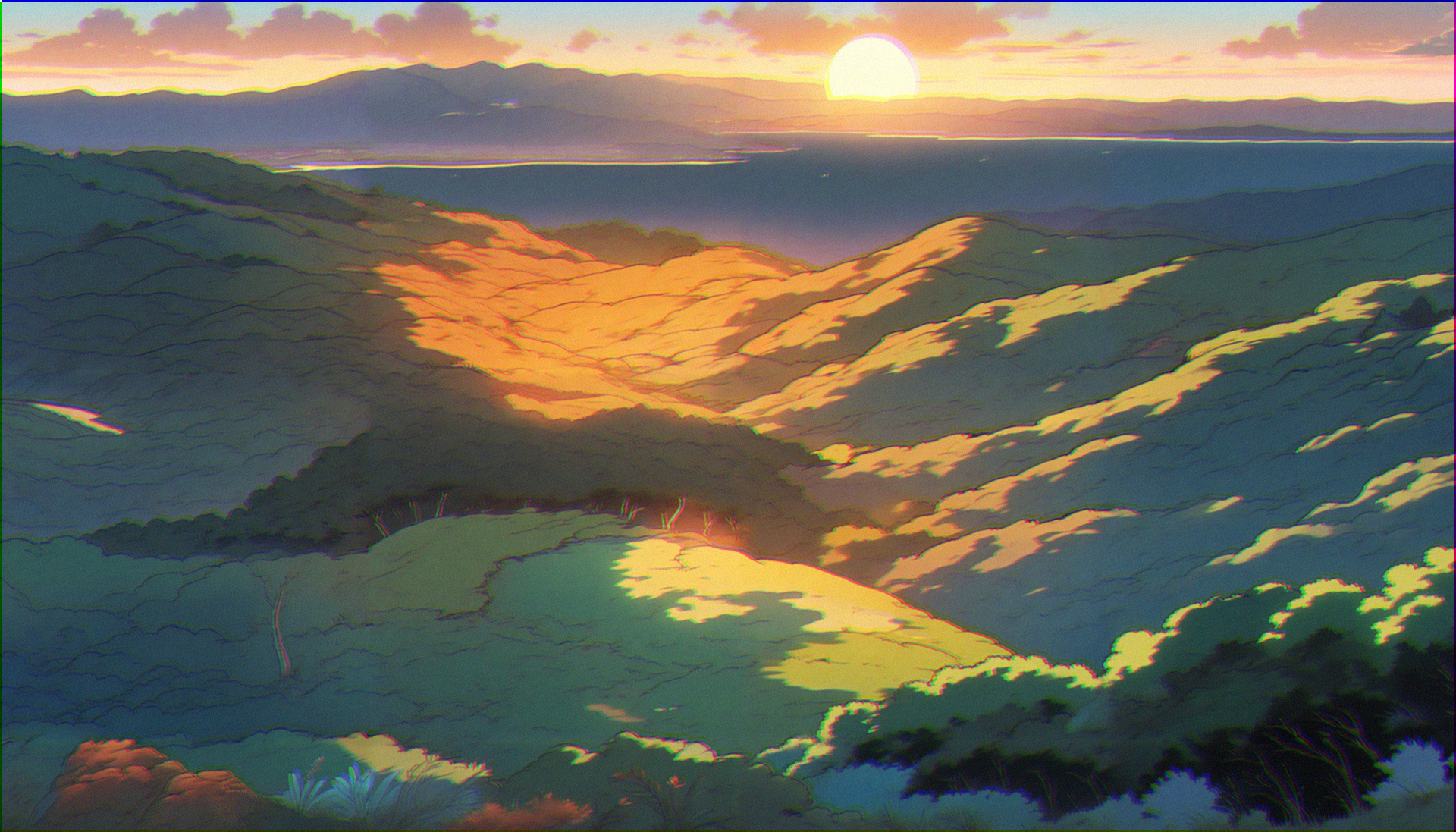

Kozushima, once a hidden jewel in Japan’s Izu archipelago, has whispered its tales through the winds and waves of the Pacific. This tranquil island, overshadowed by its more renowned siblings, held an enchanting charm born from a seamless fusion of ancient traditions and natural splendor.
In bygone days, the heart of Kozushima beat to the rhythm of the sea. Its people, primarily steadfast fishermen, held a deep reverence for the ocean’s mysteries. Their lives, steeped in respect and gratitude for the sea, manifested in rituals and celebrations that echo through time. The Umi-no-Kami festival is one such tradition, a vibrant homage to the sea gods, thanking them for their bounty and protection. Boats, decked in a riot of colors, sliced through the waters, while the rhythmic pulse of taiko drums filled the air, weaving a tapestry of celebration and reverence.
Autumn heralded the Tori-no-Ichi fair, a time when the island transformed under the lantern-lit sky. This festival, rooted in Shinto beliefs of purification and fortune, saw the sale of ‘kumade’ – bamboo rakes adorned with charms, believed to sweep in prosperity. The night air, alive with the scents of local delicacies, beckoned islanders and visitors alike into a world of sensory delight.
The Kozu Matsuri festival, a kaleidoscope of music, dance, and tradition, epitomized the island’s cultural heartbeat. The Noh dance, a spiritual spectacle, featured masked dancers who, through their stylized movements, narrated tales of yore. This dance transcended mere performance, becoming a spiritual offering to the gods, a prayer for peace and prosperity.
Veiled in legend, the island’s landscape whispered of mysteries untold. The Ama-no-Iwato cave, shrouded in secrecy, was said to be a divine sanctuary, holding the key to Kozushima’s fortune and safety. Its entrance, known only to a select few elders, preserved the sacredness of this enigmatic site.
The island’s rugged terrain, marked by volcanic peaks and pristine waters, added layers of mystique. Trails meandered through this untamed beauty, leading adventurers to breathtaking vistas. Among these, the summit of Mt. Tenjo stood out, a place steeped in legend where a goddess was said to have descended from the heavens.
In essence, Kozushima is not merely a geographic marvel but a living, breathing entity with a soul. Its traditions, interwoven with the elements and the supernatural, paint a vivid tableau of a land where time and myth intertwine. The island’s mysteries, cloaked in folklore, beckon to those seeking not just scenic beauty but a rich, cultural odyssey.

In 2049, Kozushima presents a stark contrast between the old and the new, a village frozen in time yet pulsating with a clandestine life under the moonlit sky. Dominated by crime, the island has evolved into a paradoxical haven, where the rustic charm of the early 2000s coexists with a hidden layer of neon-lit modernity, all while the common folk remain tethered to a simpler, less advanced existence.
The external façades of Kozushima’s buildings deceive the eye, appearing almost as they did decades ago. Inside these humble abodes, a modicum of technological comfort exists, but it’s a mere whisper of the cybernetic advancements that the world outside has embraced. This deliberate stagnation, enforced by unknown gangs, ensures that the islanders remain unempowered and unable to challenge the underground authority that governs their lives.
As dusk falls the island undergoes a surreal transformation under the dominion of the criminal underworld. The streets, once quaint and unassuming, come alive with the vibrant glow of neon lights: this oxymoronic façade of technology amidst abandonment casts an otherworldly glow on the village, creating a dreamscape that belies the harsh realities of life under the gangoons rule.
The Umi-no-Kami festival, a relic of the island’s past reverence for the sea, now serves as a display of the local crime lords might.
Traditional boats, outlined in neon, glide across the water, their reflections dancing in the ripples. The sound of taiko drums still resonates, now mixed with the synthetic hum of modernity, a symbol of the island’s conflicted identity.
The Tori-no-Ichi fair has become a bizarre blend of the ancient and the futuristic. The streets buzz with activity, vendors selling traditional wares bathed in the neon glow. The kumade rakes, once simple bamboo, now flicker with low-tech holographic charms, a nod to the island’s restrained technological advancement.
The Kozu Matsuri festival retains its traditional core, yet is tinged with the subdued influence of the new era. Local performers, their art untainted by the high-tech world, dance and sing tales of old, their performances starkly genuine amidst the artificial brilliance of the neon lights. The legend of the Ama-no-Iwato cave persists, a reminder of the island’s mystical past. In this new era, it’s whispered to be not just a spiritual haven but also a repository of forbidden knowledge, a secret fiercely guarded by the crime lords.